


Views: 0 Author: Site Editor Publish Time: 2025-11-07 Origin: Site


Have you ever wondered how fire-rated doors protect lives and property during an emergency? These doors are crucial in stopping the spread of fire, smoke, and heat. In this article, we’ll explore what makes a door fire-rated, including testing standards, materials, and key components. You’ll gain insights into why fire-rated doors are essential for safety and compliance.
A fire-rated door is specifically engineered to withstand exposure to fire and heat for a designated period. The door’s construction, materials, and hardware are all meticulously designed and tested to resist the spread of fire, smoke, and heat, thereby allowing for the protection of building occupants and minimizing property damage. The rating of these doors is usually defined by the time they can withstand fire without compromising structural integrity, commonly measured in minutes or hours, such as 20, 45, 60, or 90 minutes.
A fire-rated door is typically part of a complete fire door assembly, which includes the door itself, the frame, the hardware, and sometimes glazing. Each component plays a critical role in ensuring the door functions as designed during a fire emergency. The integrity of the entire assembly is necessary for maintaining the door’s fire-resistance rating.
Fire-rated doors work through a combination of materials and design strategies that ensure their performance during a fire. The door’s core typically consists of heat-resistant materials like mineral cores, gypsum, or solid steel, which act as barriers to slow or prevent the spread of flames. The frame, seals, and hardware are also integral to the door’s overall effectiveness. These components are all designed to remain functional in the event of a fire, keeping the door closed to prevent fire and smoke from entering other parts of the building.
Seals, such as intumescent seals, are often used in fire-rated doors. These seals expand when exposed to heat, filling the gaps between the door and its frame, thereby blocking smoke and gases from passing through. The goal is to prevent the passage of not only flames but also dangerous fumes that can be just as harmful during a fire.
The materials used in fire-rated doors are selected for their ability to withstand high temperatures. Common materials include:
Steel: Steel is one of the most effective materials for fire-rated doors due to its excellent resistance to heat. Steel frames and faces can withstand extremely high temperatures, ensuring that the door remains intact during a fire.
Wood: While wood doors are not as inherently fire-resistant as steel, they can be treated and combined with fire-resistant cores to improve their fire resistance. Fire-rated wood doors often include mineral cores to meet the necessary standards.
Fiberglass: Fiberglass is another popular choice for fire-rated doors due to its strength and ability to withstand high temperatures. It is also a lighter material, making it easier to handle during installation.
Fire-Rated Glass: Glass used in fire-rated doors is specially designed to resist heat and maintain its structural integrity for a set period. Fire-rated glass is typically used for small vision panels or full-lite doors, allowing light and visibility without compromising safety.
| Material | Characteristics | Fire Rating (Duration) | Common Applications |
|---|---|---|---|
| Steel | Heat-resistant, durable, resistant to fire and smoke | 20-180 minutes | Commercial buildings, industrial settings |
| Wood | Can be treated with fire-resistant cores | 20-90 minutes | Residential buildings, offices |
| Fiberglass | Lightweight, strong, and heat-resistant | 20-90 minutes | Commercial areas, moderate-risk spaces |
| Fire-Rated Glass | Specially designed glass to resist heat | 20-90 minutes | Vision panels, full-lite doors, offices |
Fire-rated doors are subject to rigorous testing to ensure they can withstand the harsh conditions of a fire. Two of the primary standards used for fire door testing include:
UL 10B: Fire Tests of Door Assemblies. This standard tests doors under neutral or negative pressure conditions, simulating typical fire scenarios.
UL 10C: Positive Pressure Fire Tests of Door Assemblies. This test simulates a fire with high heat and smoke pressure, which is more realistic to actual fire conditions.
NFPA 252: Standard Methods of Fire Tests of Door Assemblies. This method is widely used in the U.S. to assess the ability of doors to resist the passage of heat and smoke.
These testing standards ensure that fire doors are certified for use in protecting building occupants during a fire emergency.
| Standard | Description | Test Conditions | Fire Endurance Test Duration |
|---|---|---|---|
| UL 10B | Fire Tests of Door Assemblies | Neutral or negative pressure conditions | Varies, typically 20-90 minutes |
| UL 10C | Positive Pressure Fire Tests of Door Assemblies | Simulates high heat and smoke pressure | Varies, typically 20-90 minutes |
| NFPA 252 | Standard Methods of Fire Tests of Door Assemblies | Tests the ability to resist heat and smoke | Varies, typically 20-90 minutes |
During fire resistance testing, a door is exposed to high temperatures of up to 1925°F (1050°C). The testing process is designed to determine how long the door can resist the spread of fire, smoke, and heat. The fire door’s performance is evaluated based on how long it can maintain its structural integrity and prevent the passage of flames and gases.
After the fire endurance test, a hose stream test is conducted. This test simulates the real-world scenario of firefighters using hoses to extinguish flames. The hose stream test checks whether the door can withstand the force of water being sprayed onto it during a fire emergency.Proper installation is essential for maintaining the fire rating of a door. Always follow manufacturer guidelines and ensure the door is installed by a certified professional to ensure optimal performance during a fire.
The fire rating duration is determined by the door’s ability to resist flames, smoke, and heat. The typical fire ratings for doors include 20, 45, 60, 90, and 180 minutes. For example:
20-minute doors: Suitable for low-risk areas such as homes or light-use commercial spaces.
45 to 60-minute doors: Typically required for general office buildings or moderate-risk areas.
90-minute doors: Required in high-risk areas or larger buildings where fire protection is critical.
For buildings with extremely high fire risk, 180-minute doors are recommended, especially for fire barriers or critical protection zones.Always refer to local fire safety codes and regulations when choosing the appropriate fire rating for your building. The right fire-rated door can make all the difference in ensuring safety.
| Fire Rating (Duration) | Suitable Applications | Common Building Types |
|---|---|---|
| 20 minutes | Low-risk areas, such as homes, light-use commercial spaces | Small offices, residential buildings |
| 45 minutes | General office buildings, moderate-risk areas | Office buildings, hotels |
| 60 minutes | Higher-risk areas like corridors, store rooms | Hospitals, industrial buildings |
| 90 minutes | Critical areas needing high protection | High-rise buildings, fire barriers |
| 180 minutes | Extremely high-risk areas | Fire walls, critical fire protection zones |
The core of a fire-rated door is designed to resist high temperatures and prevent the spread of fire. Materials like mineral cores or gypsum are commonly used for their fire-resistant properties. The frame, often made of steel, must also be fire-rated and work in conjunction with the door to form a continuous barrier against fire.
Seals and gaskets play a critical role in ensuring that fire-rated doors perform as expected. Intumescent seals are designed to expand when exposed to heat, closing gaps between the door and the frame to block smoke and gases. These seals are essential for preventing smoke infiltration, which can be just as dangerous as the fire itself.
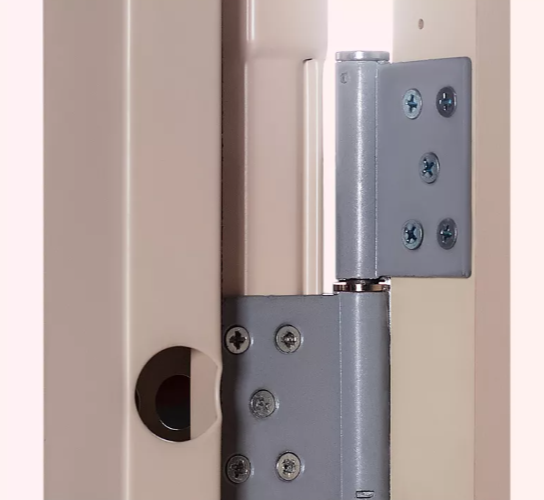
Fire-rated doors require specific hardware, including self-closing devices, locks, and hinges, all of which must be fire-rated. The self-closing mechanism ensures that the door automatically closes after use, which is essential for preventing the spread of fire. Locks and hinges must also be rated for fire protection to maintain the door’s overall fire-resistance.When selecting fire-rated doors, ensure that all hardware components are also rated for fire protection. Using non-rated hardware can compromise the door’s fire-resistance rating.
Fire-protective doors are designed to resist flames and smoke for a specific period, typically up to 90 minutes. These doors are ideal for places like stairwells, corridors, and store rooms, where the goal is to prevent the spread of fire and smoke but not necessarily block heat transfer.
Fire-resistive doors offer an additional layer of protection by preventing heat transfer. These doors are critical for areas that need to limit temperature rise, such as hospital corridors or fire barriers. Temperature-rise doors are specifically designed to keep heat levels under control on the non-fire side of the door, ensuring that occupants can safely exit the building even if the fire side is extremely hot.
The choice between fire-protective and fire-resistive doors depends on the building’s needs. For instance, fire-resistive doors are typically required in areas with high fire risks or in commercial buildings where heat control is crucial.Always assess the specific requirements of your building and its fire safety protocols before deciding which type of fire door to install.
Incorporating glass into fire-rated doors provides the benefit of visibility and natural light. While traditional fire doors are solid, fire-rated glass allows for transparent panels that help people navigate the building during an emergency. Fire-rated glass is specially designed to withstand high temperatures and meet fire safety standards.
Fire-rated glass undergoes rigorous testing to ensure it can withstand the same conditions as fire-rated doors. Tempered glass and laminated glass are commonly used for their strength and heat resistance. These glass types are tested to maintain their structural integrity during a fire and meet fire safety regulations.
Building codes like NFPA 80 and IBC specify the requirements for fire-rated glass doors. These doors must be tested and labeled to ensure they meet safety standards. They are typically used in commercial buildings to provide fire protection while maintaining aesthetic and functional qualities.When selecting fire-rated glass doors, ensure that they meet all required safety standards and are properly labeled for compliance.
| Glass Type | Characteristics | Certification Standards | Typical Applications |
|---|---|---|---|
| Tempered Glass | Strengthened, breaks into small pieces | UL 10B, UL 10C | Small vision panels, residential doors |
| Laminated Glass | Composed of two or more layers, resistant to shattering | UL 10B, UL 10C | Full-lite doors, partitions |
| Wire Glass | Glass with embedded metal wire for added strength | UL 10B, NFPA 252 | Older buildings, emergency exits |
Fire-rated doors must comply with NFPA 80, which provides regulations for the installation, maintenance, and testing of fire doors. Additionally, the International Building Code (IBC) outlines the fire resistance ratings required for different types of buildings and spaces.
Each fire-rated door must have a clearly visible label that indicates its fire-resistance rating, testing agency, and the manufacturer’s information. This label serves as proof that the door has passed required testing and meets necessary safety standards.
Building codes dictate where fire-rated doors must be installed, such as in firewalls, corridors, and exits. These doors must be installed according to specific guidelines to ensure their fire-resistance capabilities are maintained.
Note: Non-compliance with fire door regulations can result in severe consequences, including legal penalties and increased fire risks.
Fire-rated doors play a crucial role in protecting people and property from the devastating effects of a fire. They contain flames and smoke within specific areas, allowing people to evacuate safely and minimizing the potential damage to other parts of the building.
Installing fire-rated doors can lower insurance premiums by reducing the risk of fire damage. Insurance providers often offer discounts to buildings that meet fire safety codes and have the proper fire protection systems, including fire-rated doors.
While the initial cost of installing fire-rated doors may be higher than standard doors, they are a long-term investment in safety. They help safeguard the building, its occupants, and its contents, ultimately saving lives and reducing potential repair costs after a fire.Consider the installation of fire-rated doors as part of your long-term building safety strategy. It may offer both financial savings and enhanced security.
Fire-rated doors are essential for protecting buildings, occupants, and assets during a fire. They prevent the spread of flames, smoke, and heat, ensuring safe evacuation and minimizing property damage. Understanding the materials, components, and testing standards of fire-rated doors is crucial for ensuring compliance with safety regulations.
Investing in fire-rated doors is a smart decision for long-term fire safety. Proper installation and maintenance of these doors ensure they meet required safety standards, offering optimal protection.
For top-quality fire-rated doors, Hele Doors offers products designed to meet the highest standards. Their doors provide reliable performance and safety, ensuring peace of mind in any fire emergency.
A: A fire-rated door is specifically designed to withstand fire, smoke, and heat for a set period, helping to prevent the spread of flames and smoke within a building.
A: Fire doors are rated to withstand fire for various durations, typically ranging from 20 minutes to 180 minutes, depending on their rating.
A: Fire doors are commonly made from steel, wood with fire-resistant cores, fiberglass, or fire-rated glass, each offering different levels of fire resistance.
A: Fire-rated doors include seals like intumescent seals that expand when heated, filling gaps to block smoke and gases from passing through.
A: Fire-rated doors provide critical protection during a fire, helping to contain flames and smoke, thus protecting occupants and reducing property damage.


