


Views: 0 Author: Site Editor Publish Time: 2025-11-10 Origin: Site


A Fire Door can mean the difference between safety and disaster. It blocks flames, slows smoke, and saves lives when every second counts. Unlike ordinary doors, it’s tested to resist fire for 20 to 180 minutes. In this article, you’ll learn what a Fire Door is, how it works, and why it matters.
A Fire Door is a tested and certified door assembly specifically engineered to resist fire and smoke for a defined period. It includes multiple interconnected components such as the door leaf, frame, hinges, hardware, glazing, and seals. These components are tested together under controlled laboratory conditions to ensure they function as one cohesive safety barrier. The strength of a fire door lies in its complete system design—each component supports another to achieve reliable protection when exposed to heat and pressure. In essence, a fire door is not just a single door panel—it is a fully integrated fire protection system that contributes to the building’s passive safety infrastructure.
A fire door is a vital part of the building’s passive fire protection system, working alongside fire-rated walls, floors, and ceilings. By forming a sealed barrier, it slows or halts the spread of flames, heat, and smoke through corridors, stairwells, and other escape routes. Even in situations where active fire systems like sprinklers or alarms malfunction, a closed and properly functioning fire door maintains its barrier integrity and buys crucial time for occupants to evacuate safely and for emergency services to respond effectively.
Fire doors are commonly installed in staircases, elevator lobbies, corridors, escape routes, utility rooms, basements, and between residential units and garages. In hospitals, schools, and commercial buildings, they often separate high-risk areas such as kitchens, mechanical rooms, or electrical spaces from general occupancy zones. Each of these areas requires a rated door to comply with NFPA 80 or local building fire safety codes. The strategic placement of fire doors minimizes the chance of fire spreading from one compartment to another.
For a fire door to perform as intended, it must self-close and latch automatically after every use. Leaving a fire door propped open renders it ineffective during an emergency. Routine inspections and maintenance ensure that self-closing devices, hinges, and latches remain in good working order. Proper alignment and door clearances are also critical to maintaining the door’s fire rating and preventing premature failure.
The time rating indicates how long the door assembly can resist standardized fire exposure during testing. Longer ratings provide extended protection for higher-risk zones or longer evacuation routes.
| Rating (minutes) | Common Application |
|---|---|
| 20 | Corridor smoke barriers |
| 45 | Office and apartment separations |
| 60 | Utility or service rooms |
| 90 | Stair enclosures |
| 180 | Fire walls and industrial settings |
Understanding these ratings helps designers and facility managers choose doors appropriate for each building section.
Some facilities—such as healthcare centers, laboratories, and schools—require impact-resistant or security-enhanced fire doors. These designs combine fire protection with other safety features, such as bullet resistance or forced-entry protection, ensuring that the door meets both safety and operational requirements. Always request both the fire rating certificate and impact rating test results when specifying fire doors for healthcare, educational, or public buildings. It guarantees full regulatory compliance and long-term durability.
Fire doors are rated according to how long they can withstand exposure to heat before structural failure. Typical ratings—20, 45, 60, 90, and 180 minutes—reflect fire endurance time under standardized test conditions. A 90-minute Fire Door, for example, is typically paired with a 2-hour rated wall. These tests are performed by accredited laboratories that simulate real fire conditions to ensure consistency and reliability of performance data.
Common test standards include UL 10B / UL 10C, which cover neutral and positive pressure tests for swinging doors, and NFPA 252, which specifies the standard fire testing methods for door assemblies. Positive pressure testing (UL 10C) replicates real-world conditions more accurately, ensuring smoke and heat containment at the door’s upper section, where failure is most likely to occur.
After fire exposure testing, the assembly undergoes a hose-stream test that subjects it to high-pressure water to simulate the cooling shock of firefighting efforts. Only assemblies that remain structurally sound and intact after both stages earn a certification label. Some 20-minute doors may be exempt from this step based on local jurisdiction or code exceptions, but most rated assemblies must pass both to qualify as compliant fire doors.
Labels confirm the product’s certification, fire rating, and manufacturer information. They must be permanent, visible, and legible throughout the door’s life cycle. Painting over or removing these labels invalidates compliance and can cause inspection failures. If the label becomes illegible, the door is considered uncertified until relabeled by an authorized agency.
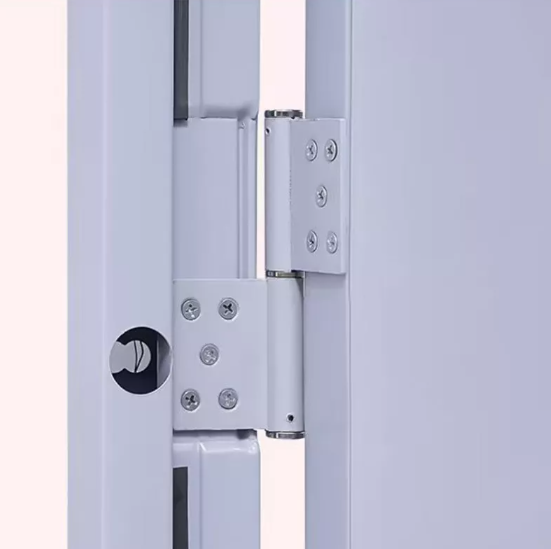
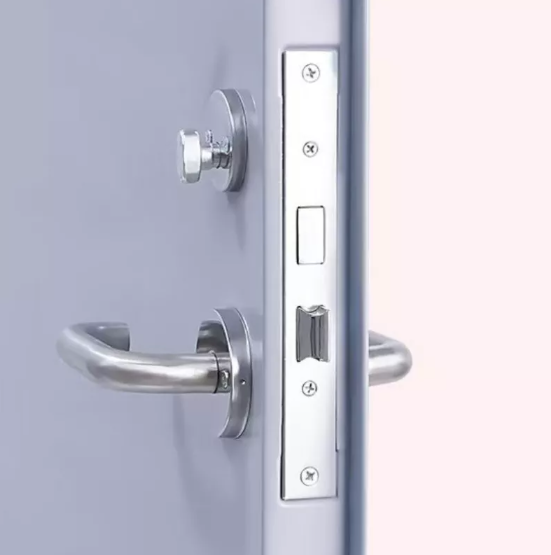
Each hardware component—such as closers, hinges, locks, and latches—must also be fire-rated and listed for use on that specific assembly. Using non-listed or incompatible hardware compromises the entire system’s rating. Properly installed closers and coordinators ensure doors close fully and latch securely, even under heat and pressure.
Intumescent seals expand when exposed to heat, sealing gaps between the door and frame to prevent the spread of flames. Smoke seals prevent smoke from leaking through at lower temperatures before the intumescent material activates. Both are essential for ensuring the door assembly’s fire and smoke performance remains intact.
Fire-rated glazing enables visibility while preserving fire protection. Glass used in these panels must carry the same fire rating as the rest of the assembly and be installed with approved glazing kits and intumescent materials. Larger panels are possible in higher-rated doors when fire-resistive glass is used.
Fire-Protective Doors are designed primarily to block flames and restrict smoke movement. They are often installed in corridors and smaller room partitions. Fire-Resistive Doors, by contrast, also block radiant and conductive heat, making them ideal for stair shafts and exit enclosures where temperature control is vital. The correct classification ensures proper selection and installation.
Temperature-rise fire doors limit heat transfer through the door for a specified duration, reducing surface temperatures on the non-fire side. A 450°F rise is common for stairwells to prevent heat from compromising escape routes. These doors use special cores and materials that insulate against thermal transfer while maintaining structural stability.
Fire-resistive glass allows for larger glazed openings without reducing fire performance. It provides both integrity and insulation, essential in higher-rated doors (90 minutes or above). While more expensive, this glass enhances visibility, aesthetics, and natural lighting without sacrificing safety.
Doors with an “S” label meet UL 1784 smoke and draft control standards. These doors are critical for controlling smoke migration, which is a leading cause of fire-related fatalities. They are often required in corridors, stair enclosures, and smoke partitions, especially for 20-minute rated assemblies.
Adding vision panels to fire doors helps emergency personnel quickly assess fire and smoke conditions on the other side. They enhance both occupant safety and firefighting response times. However, glazing materials and frame kits must still meet all applicable fire and impact requirements.
Traditional wired glass no longer satisfies modern impact safety standards due to shattering risks. Today, laminated or filmed fire-rated glass provides dual compliance—impact safety and fire protection. This is especially important in schools, hospitals, and public facilities where pedestrian safety is as critical as fire containment.
Fire doors are required in fire-rated walls, smoke partitions, horizontal exits, stair shafts, and storage or mechanical rooms. Each type of opening demands a specific fire rating, which is defined by its role in the overall building compartmentation strategy. Understanding these code-triggered locations helps ensure consistent compliance.
Use the following checklist before specifying or ordering:
| Selection Factor | Key Consideration |
|---|---|
| Wall Rating | Match door rating to wall fire-resistance |
| Smoke Control | Determine if S-label is required |
| Temperature-Rise | Confirm stair or shaft requirements |
| Glazing | Verify limits based on time rating |
| Hardware | Ensure UL-listed compatibility |
| Code Reference | Align with NFPA 80 and IBC sections |
Steel Doors offer superior strength, durability, and fire performance, making them ideal for industrial or high-traffic settings. Timber Doors provide a warm aesthetic and are suitable for residential or office interiors when properly rated. Mineral or Composite Cores combine strength and lighter weight, offering excellent insulation against both fire and heat.
Certification labels are usually located on the hinge edge, top edge, or occasionally the bottom rail of the door. Frames carry corresponding labels on the hinge jamb. These labels must remain readable and intact for inspectors to verify compliance. If missing, the door must be relabeled or replaced.
Unauthorized modifications—such as adding unlisted viewers, grills, or signage—can void certification. Decorative elements and signs must not exceed 5% of the door’s surface area. Always use adhesive mounting rather than screws, as drilling compromises fire resistance.
Under NFPA 80, annual fire door inspections are mandatory for commercial and public buildings. Inspectors check for smooth self-closing and latching operation, intact seals, proper clearances, functional hardware, and unaltered components. Non-compliance can result in fines or loss of occupancy approval.
| Inspection Item | Requirement | Status |
|---|---|---|
| Closer | Self-closing | ✔ |
| Latch | Positive-latching | ✔ |
| Seal | Intact | ✔ |
| Label | Visible | ✔ |
Tip:Establish a digital inspection and maintenance log for every fire door. This helps track service intervals, ensure transparency, and simplify audits.
A Fire Door is more than just a door—it’s a vital safety system that protects lives, slows fire spread, and ensures safe evacuation. Proper installation, regular inspection, and certified materials are key to its performance.
Hele Doors offers advanced Fire Door solutions designed for durability, code compliance, and long-term reliability, helping buildings stay safe and secure under the toughest conditions.
A: A Fire Door is a specially designed barrier that resists fire and smoke for a specific time, helping protect escape routes and property.
A: Depending on its rating, a Fire Door can resist fire for 20, 45, 60, 90, or even 180 minutes under standard test conditions.
A: Fire Doors prevent fire spread, control smoke movement, and give occupants more time to evacuate safely during emergencies.
A: Unlike standard doors, Fire Doors include rated hardware, seals, and glazing that maintain integrity under extreme heat.
A: Inspect Fire Doors regularly for proper closure, intact seals, and visible labels to ensure ongoing safety and compliance.


