


Views: 0 Author: Site Editor Publish Time: 2025-09-29 Origin: Site


If you want to find the right fit for your home or office, knowing the standard door size can save you time and hassle. Check out the table below to see the most common measurements:
Door Type | Width Range (inches) | Height (inches) |
|---|---|---|
Residential Doors | 24 to 36 | 80 (6'8") |
Interior Doors | 32 | 80 (6'8") |
Commercial Doors | 36 to 42 | 80 (6'8") |
Large Spaces | N/A | 84 (7') |
Elegant Homes | N/A | 96 (8') |
You want doors that fit perfectly in your home, look great, and follow local codes. Here’s why knowing these sizes matters:
You get smooth installation and easy replacement.
You keep your space safe and accessible for everyone.
You make sure your home or office meets all regulations.
Hele Doors gives you a huge range of options, so you never have to settle. Always measure carefully before you choose.
Standard door height is usually 80 inches in most homes and offices. Door widths can change depending on the door type.
Most home doors are between 24 and 36 inches wide. Always check your space to make sure the door will fit.
For accessibility, doors should be at least 32 inches wide. This helps people in wheelchairs or with walkers move easily.
Check local building codes before picking a door size. Following these rules keeps everyone safe and able to use the space.
Hele Doors has many standard and custom doors to choose from. Look at their options to find the right door for your place.
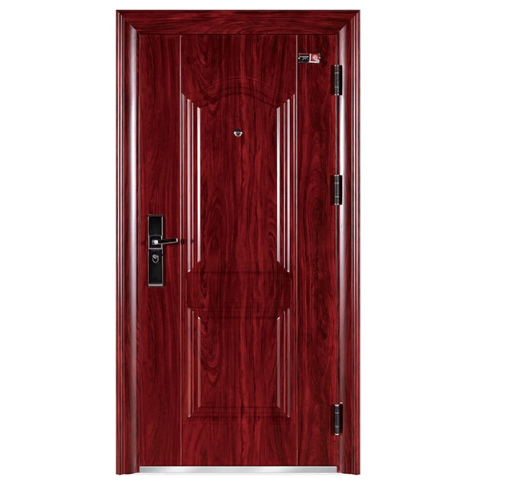
When you pick a new door for your home, you want it to fit perfectly and look great. Let’s break down the standard door size for each main exterior spot: front entry, patio, and garage entry.
The front entry is the first thing people see. Most homes use a standard door height of 80 inches. The standard door width is usually 36 inches, but you might also see 30, 32, or even 42 inches for wider openings. Some newer homes use taller doors, up to 96 inches. Double doors and doors with sidelights are also popular for a grand look.
Here’s a quick table to help you compare:
Door Type | Width (inches) | Height (inches) |
|---|---|---|
Standard Exterior Door | 36 | 80 |
Newer Homes (Tall Doors) | 36 | 96 |
Single Door | 44 | 96 |
Double Door | 80 | 96 |
Single Door with Sidelights | 55 | 96 |
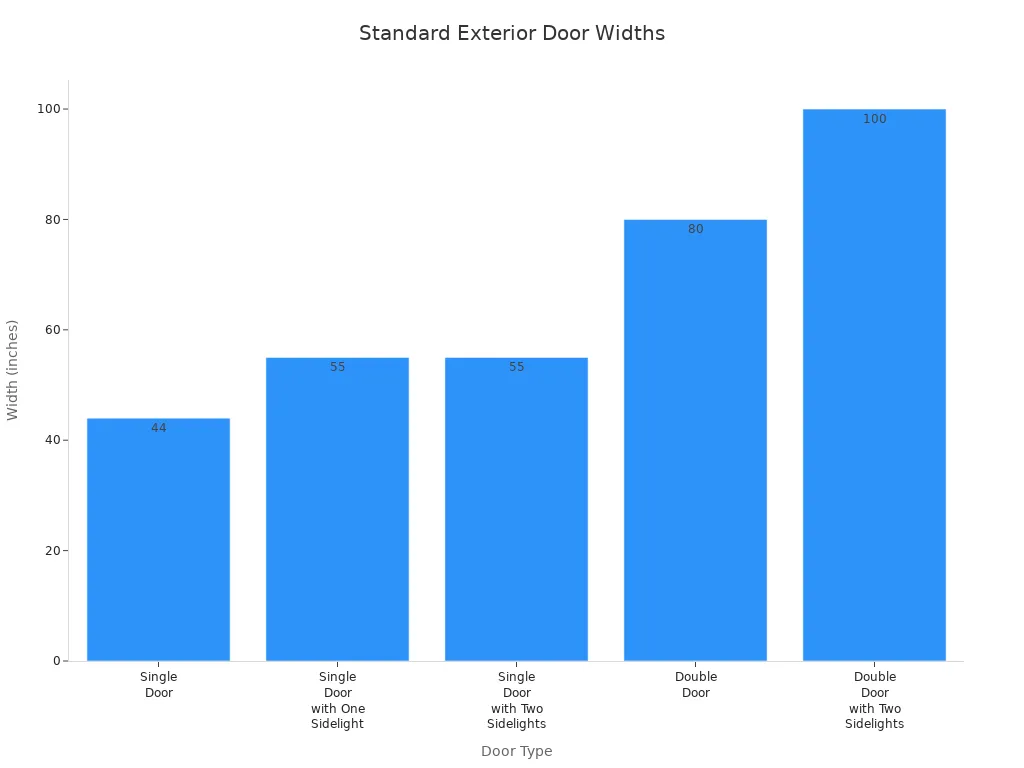
Tip: Always check your local building codes. Most codes require a minimum clear opening of 32 inches for safety and accessibility.
If you want a strong and stylish option, you can explore our exterior doors, including steel doors and villa doors. I recommend checking out our full range at Hele Doors Products.
Patio doors let in light and connect your indoor and outdoor spaces. Sliding doors are common, and they come in wider sizes than front doors. Here’s what you’ll usually find:
Door Type | Width Options (inches) | Standard Height (inches) |
|---|---|---|
Two-Panel Sliding Doors | 60, 72, 96 | 80 |
Three-Panel Sliding | 108, 144 | 80 |
Four-Panel Sliding | 144, 192 | 80 |
French Patio Doors | 60–96 | 80–96 |
You can choose from sliding or French patio doors, depending on your style and space.
Garage entry doors are important for safety and easy access. Most garage entry doors use a standard door height of 80 inches and a width of 32 or 36 inches. For the garage vehicle opening, the size is much larger:
Garage Type | Width (feet) | Height (feet) |
|---|---|---|
One-car garage | 8 to 10 | 7 to 8 |
Two-car garage | 16 | 7 to 8 |
Three-car garage | 32+ | 7 to 8 |
Note: Local codes may require features like wind resistance and safety sensors for garage doors. Always make sure your door meets these standards.
At Hele Doors, I offer a wide selection of exterior doors, including steel doors and fire-rated options, to fit every entry point in your home. You can trust our products for quality and safety.
Inside your home, doors are not all the same size. Picking the right size helps your rooms work better. Let’s look at what you need for bedrooms, bathrooms, and closets.
Bedroom doors are usually 80 inches tall. The width changes by room. Main bedrooms use doors that are 34 to 36 inches wide. Other bedrooms use doors that are 30 to 32 inches wide. Here’s a table to help you:
Door Type | Width (inches) | Height (inches) |
|---|---|---|
Primary/Master | 34 - 36 | 80 |
Secondary Bedrooms | 30 - 32 | 80 |
Bedroom doors can be made from many things. Wood looks classic and warm. Aluminum is light and has a modern look. Fiberglass is strong and easy to care for. Vinyl is cheap and simple to clean. Engineered wood is sturdy and does not get damaged by water. The material you pick can change how heavy or thick the door is. This might affect the sizes you can get.
Wood: Classic and warm
Aluminum: Light and modern
Fiberglass: Strong and easy to care for
Vinyl: Cheap and easy to clean
Engineered wood: Sturdy and water-resistant
Bathroom doors are also 80 inches tall. They are often not as wide as bedroom doors. Most bathroom doors are 34 inches wide. Some are as narrow as 24 inches. ADA-compliant doors are 36 inches wide.
Door Type | Common Widths |
|---|---|
Bathroom Door | 34, 24, 36 |
Bedroom Door | 30 - 36 |
Bathrooms need doors that can handle wet air. Engineered wood and fiberglass are good choices. These materials help stop the door from bending or changing shape.
Tip: Make sure your bathroom door is easy for everyone to use.
Closet doors come in many sizes. Most closet doors are 24 to 36 inches wide and 80 inches tall. Some old closets use doors as small as 18 inches.
Size Type | Width (inches) | Height (inches) |
|---|---|---|
Standard Closet | 24 - 36 | 80 |
Older Closet Doors | 18 - 24 | 80 |
Modern Closet Doors | 30 | 80 |
Sliding closet doors are good for small rooms. They look simple and are easy to keep clean. You can get panels that are 24, 28, 30, or 36 inches wide.
Good for small spaces
Simple style
Easy to care for
Bifold closet doors are great for laundry or storage areas. They let you open the whole closet. You can get panels that are 24, 30, 32, or 36 inches wide.
Open the whole closet
Good for small areas
Needs track cleaning
If you want more choices, I have wooden, aluminum, and special doors for every room. Hele Doors can help you find the right door for any space.

When picking office doors, you want them strong and safe. They should be easy for everyone to use. Office doors look different from home doors. They are often wider and made for more people to use. Let’s see the usual commercial door sizes for each main office area.
The main entry welcomes people and keeps them safe. Most commercial doors are 36 inches wide. Some entry doors are as narrow as 32 inches. Most are between 32 and 36 inches wide. This is wider than most home doors, which are often 32 inches wide. Both office and home doors are usually 80 inches tall.
Standard commercial entry doors: 36 inches wide
Some entry doors: 32 to 36 inches wide
Height: 80 inches
Office entry doors are bigger and stronger than home doors. This makes them safer and easier for people to use.
Hele Doors has many commercial, medical, and school doors for every entry.
Conference rooms need doors for groups to move easily. You might see double doors or wide single doors here. The best width for conference room doors is 32 to 48 inches. The standard height is 80 inches.
Door Width (inches) | Door Height (inches) |
|---|---|
32 - 48 | 80 |
You should ask your contractor if your conference room doors follow local rules.
Some offices need special doors for safety or privacy. Medical offices, schools, or labs may need fire-rated or security doors. Accessibility is important too. ADA rules say doors must have at least 32 inches of clear width. Automatic doors help people who use wheelchairs or walkers.
Requirement Type | Details |
|---|---|
Accessibility Compliance | ADA guidelines: minimum clear width of 32 inches |
Security Features | Fire-rated and security doors meet safety standards |
Automatic Operation | Automatic doors improve accessibility for everyone |
You can find all these special doors in the Hele Doors commercial door sizes collection.
Specialty doors can make your space stand out and meet unique needs. You might want a stylish French door for your living room, a smooth sliding door for tight spaces, or a tough fire door for safety. Let’s answer some common questions about these doors and see what sizes and options you have.
What are the standard sizes for French doors?
French doors add elegance and light to any room. You can choose single or double French doors for homes or offices. Most single French doors are 30, 32, or 36 inches wide and 80 inches tall. Double French doors usually measure 60 to 72 inches wide. For bigger spaces, you can find doors up to 96 inches wide and 96 inches tall.
Height (inches) | Single Door Width (inches) | Double Door Width (inches) | Thickness (inches) |
|---|---|---|---|
80 | 30, 32, 36 | 60, 64, 72 | 1 3/8 |
96 | 48, 60 | 96, 120 | 1 3/4 – 2 |
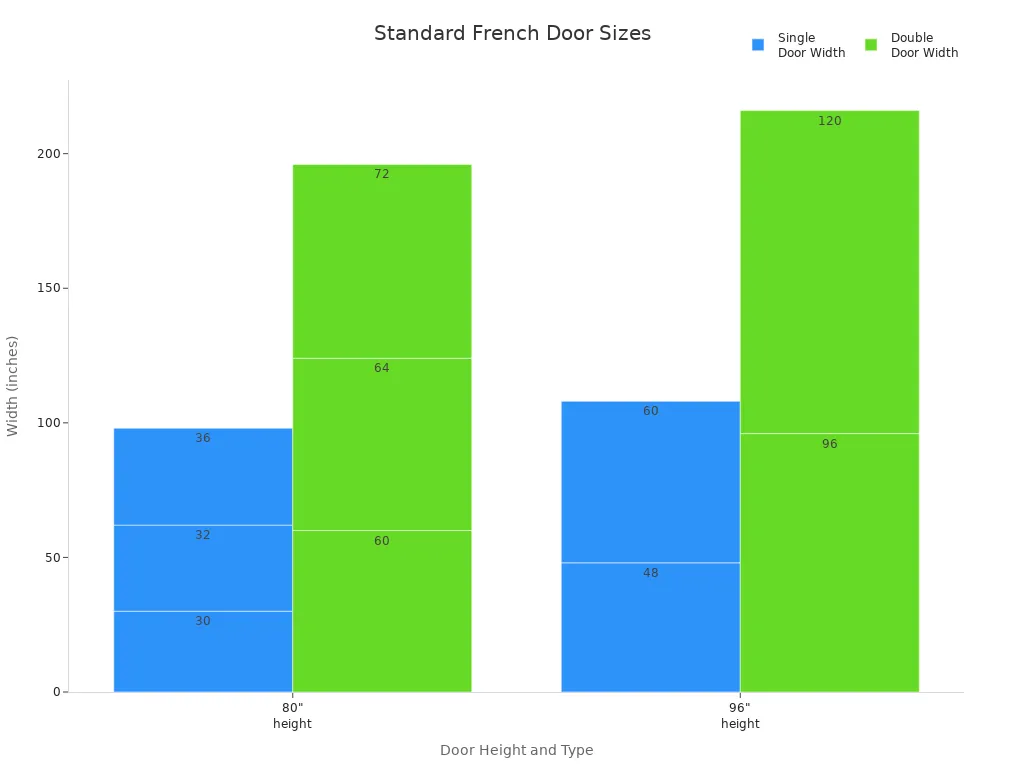
French doors work well as both interior and exterior doors. You can pick from swinging or sliding styles to match your space.
What sizes do sliding doors come in?
Sliding doors save space and look modern. You often see them on patios, closets, or as room dividers. Standard sliding doors come in panels 24, 28, 30, or 36 inches wide. The total width for two-panel sliding doors is usually 60, 72, or 96 inches. Heights are most often 80 or 96 inches.
Sliding French doors: 60 to 96 inches wide
Standard sliding patio doors: 60, 72, or 96 inches wide
Closet sliding doors: 48 to 72 inches wide
You can find sliding doors in wood, aluminum, or glass. I offer custom finishes and sizes at Hele Doors to fit your needs.
What are the standard sizes for fire and industrial doors?
Fire doors and industrial doors keep your building safe. Most fire doors are up to 4 feet wide and 8 feet tall. The standard thickness is 1-3/4 inches. Fire ratings range from 30 minutes to 3 hours.
Dimension Type | Measurement |
|---|---|
Standard Widths | Up to 4'0" |
Standard Height | Up to 8'0" |
Thickness | 1-3/4" |
Fire Protection Ratings | .5, .75, 1, 1.5, 3 hours |
Fire doors are required in many offices, schools, and hospitals. You should always check your local codes.
You might want something unique for your project. At Hele Doors, I offer specialty doors in many materials and finishes. You can request custom sizes, special glass, or extra security features. My team helps you design the perfect door for your home or business.
Choose from steel, wood, aluminum, or glass
Pick custom colors and finishes
Add digital locks or fire-rated cores
Ready to upgrade your space? Explore all specialty doors at Hele Doors Products. Many customers trust Hele Doors for quality, safety, and style. Let me help you find the right fit for your next project!
Getting the right door size starts with careful measuring. If you want your new door to fit perfectly, follow these steps:
Measure the Width:
Use a tape measure to check the width of your door at the top, middle, and bottom. Write down each number. Use the smallest one as your final width. This helps you avoid surprises if the frame isn’t perfectly straight.
Measure the Height:
Measure from the top edge of the door down to the floor or sill. Do this on the left, center, and right sides. Again, use the smallest number for your door height.
Measure the Thickness:
Open the door and measure the edge. Most interior doors are about 1-3/4 inches thick, but always check to be sure.
Check the Frame and Jamb:
If you plan to replace the whole door and frame, measure the frame’s depth and the door jamb. This makes sure your new door fits snugly.
Tip: Always double-check your numbers. Even a small mistake can lead to a door that sticks, leaks air, or just doesn’t look right.
When you replace a door, accuracy matters. Here’s what you should keep in mind:
Measurement mistakes can cause big problems. You might end up with a door that doesn’t close, lets in drafts, or looks uneven.
Always measure in three places for both width and height. Use the smallest measurement each time.
Check that your opening is level and plumb. If it isn’t, you may need to adjust your frame or use shims.
Make sure you know your wall depth and allow space for hardware.
Before you start, look for anything that could get in the way, like thick flooring, wires, or pipes.
If you want a custom door, these steps become even more important. Custom doors need exact measurements to fit perfectly. You can always reach out to me at Hele Doors for help. My team has years of experience and can guide you through every step. We want your new door to look great and work smoothly from day one.
Need help? Hele Doors offers expert advice and support for all your door measurement and selection needs. Let us help you get it right the first time!
You want your home and office doors to fit perfectly and keep everyone safe. The standard door size for most spaces is 80 inches tall, with widths that match your needs. Residential door sizes often range from 24 to 36 inches wide. Always measure carefully before you buy. If you need a custom or specialty door, talk to a professional for advice.
When you choose standard door sizes, keep these factors in mind:
Make sure the width fits mobility devices and allows easy turning.
Leave enough clearance space for safe passage.
Pick handles that are easy to use.
Use wider doors in busy areas for better traffic flow.
Check that the door size supports safe evacuation.
Requirement Type | Minimum Height | Minimum Width |
|---|---|---|
IBC | 78" | 32" |
IRC | 78" | 24" (bathrooms), 28" (other rooms) |
You can trust Hele Doors for every door need. Choosing the right size helps you meet safety rules and keeps your space accessible.
You usually see doors that are 80 inches tall and 32 to 36 inches wide in most homes. These sizes fit most rooms and follow building codes.
Grab a tape measure. Check the width at the top, middle, and bottom. Measure the height on both sides. Use the smallest numbers. Double-check your work for accuracy.
Yes! I offer custom sizes for any space. You can choose materials, finishes, and extra features. Just contact me for help with your project.
You need a door at least 32 inches wide for easy wheelchair access. Wider doors make movement smoother and safer for everyone.
Yes, fire-rated doors come in standard sizes like 36 by 80 inches. You can also request custom sizes for special needs. I help you meet safety codes.


