


Views: 0 Author: Site Editor Publish Time: 2025-11-10 Origin: Site


Did you know that a simple modification can turn a fire-rated door into a safety hazard? Fire-rated doors are crucial for building safety, protecting both people and property during a fire. These doors help contain flames and smoke, giving occupants time to escape safely.
In this article, we’ll explore how to identify a fire-rated door, the key characteristics to look for, and why keeping them intact is essential for your building’s fire safety plan.
A fire-rated door is a type of door designed to withstand heat, smoke, and flames for a predetermined amount of time. They are typically made from materials that can resist fire for a specified duration, such as steel, wood, fiberglass, or fire-rated glass. The primary purpose of fire-rated doors is to act as a passive fire protection system, helping contain the spread of fire and smoke within a building.
These doors are classified based on how long they can resist fire. The most common fire ratings are 20, 45, 60, 90, and 180 minutes. A fire-rated door with a 20-minute rating will hold back fire and smoke for at least 20 minutes, giving occupants time to evacuate or for emergency services to respond. On the other hand, doors with higher ratings, such as 90 minutes or 180 minutes, provide significantly more time to contain the fire.
| Fire Rating | Protection Time (Minutes) | Suitable Areas |
|---|---|---|
| 20 minutes | 20 | Small rooms, offices, or residential doors |
| 45 minutes | 45 | Hallways, stairwells, and corridors |
| 60 minutes | 60 | Larger commercial buildings or apartments |
| 90 minutes | 90 | High-rise buildings, public buildings |
| 180 minutes | 180 | Critical areas (fire walls, large commercial spaces) |
Fire-rated doors must pass rigorous testing to ensure they meet required safety standards. Testing is typically conducted by independent third-party laboratories to ensure impartiality. Standards such as UL 10B (Neutral Pressure) and UL 10C (Positive Pressure) are commonly used to test the performance of fire-rated doors. These tests simulate extreme fire conditions, with temperatures reaching up to 1,925°F (about 1,050°C) to assess the door’s ability to prevent the spread of flames and smoke.
In addition to fire endurance tests, fire-rated doors are also subjected to other evaluations, such as heat transmission and smoke infiltration. The door’s ability to remain intact without compromising the safety of escape routes during a fire is a crucial part of the testing process. The results of these tests determine the fire rating assigned to the door.
Fire-rated doors are a critical component of a building's overall fire safety plan. They are primarily installed in areas where fire containment is most needed, such as stairwells, corridors, and between different sections of a building. In commercial buildings, fire-rated doors help slow the spread of fire and smoke, allowing occupants time to exit safely and preventing widespread damage.
In residential settings, fire-rated doors can be used in areas like garages, kitchens, or utility rooms, where fires are more likely to start. These doors help protect living spaces from smoke and flame intrusion, offering vital protection for homeowners and their belongings. By containing fires within a compartment, fire-rated doors provide both safety and peace of mind.
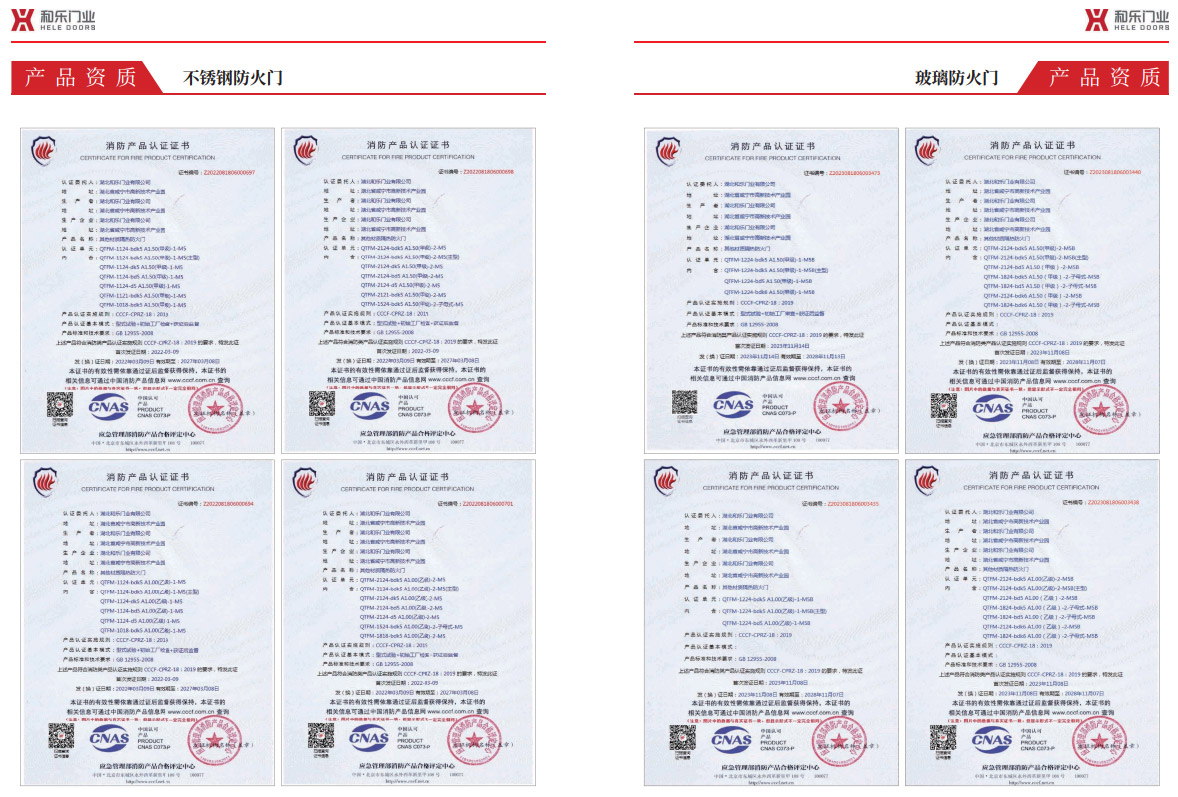
The most reliable way to identify a fire-rated door is by looking for the fire rating label. This label is typically found on the hinge side of the door, although it can also be located on the top, bottom, or door frame. The fire-rated label provides important information about the door, including:
The testing agency responsible for the door's fire testing
The fire rating (20, 45, 60, 90, or 180 minutes)
The manufacturer's details and a code that can be traced back to the manufacturer
If the label is visible and legible, it confirms that the door is fire-rated. If the label is absent or damaged, the door may not meet fire safety standards, and further verification should be sought.
In some cases, the fire-rated label on a door may be hidden beneath layers of paint or other materials, especially if the door has been repainted or touched up over time. If you suspect that the label is covered, you should check for raised surfaces or indentations that could indicate the presence of a label beneath the paint. These raised areas are often the imprint of the label that was originally applied to the door.
To uncover the label, gently rub a small scraper or damp cloth over the surface. This method can help reveal the edges of the label or the imprint left behind by the label, even if it has been painted over. Be cautious during this process to avoid damaging the door or the label, as excessive force can cause harm to the surface of the door or scratch off important markings. If the label remains difficult to detect or the surface feels uneven, further inspection may be necessary.
Although fire-rated labels are most commonly located on the hinge side of the door, they can also appear in other places, such as on the top, bottom, or even on the door frame itself. This variation is particularly common in older doors, where the label may not be as easy to spot due to wear, repainting, or other factors that have affected the door over time. It’s important to check all these potential locations carefully to ensure that the label is not overlooked.
In some instances, fire-rated labels may also be found on the door’s frame or adjacent components, such as sidelights, transoms, or glass panels that are part of the overall door assembly. These additional labels are used to confirm that the entire assembly, including the frame and any glass components, is fire-rated and meets the necessary safety standards. When inspecting the door, make sure to inspect every part of the door system thoroughly, as even small gaps or overlooked components can result in a failure to meet fire safety regulations.
The door frame is an integral part of the fire-rated door assembly, and it must also meet the same fire safety standards as the door itself. The frame must be clearly labeled with its fire rating, and it should be compatible with the door and hardware for the entire assembly to function correctly during a fire. The frame holds the door in place and plays a crucial role in maintaining the door's performance under fire conditions.
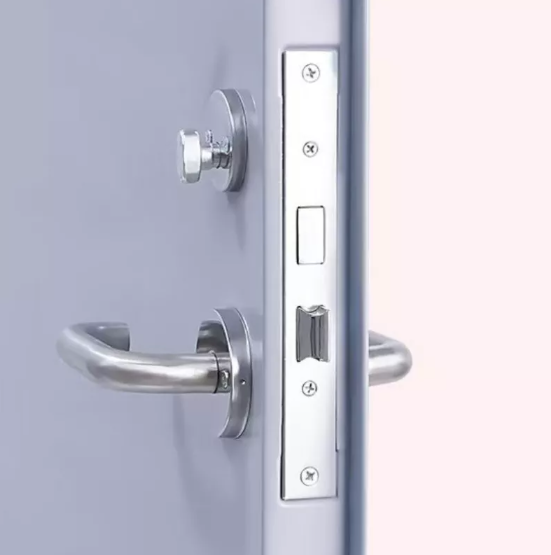
The hardware used for fire-rated doors—such as locks, hinges, closers, and panic bars—must also be fire-rated. Using non-fire-rated hardware can compromise the door’s ability to close properly, which may prevent it from protecting the building as intended. All components must be tested together to ensure the fire door assembly meets the required standards.
| Component | Fire-Rated Requirement | Purpose |
|---|---|---|
| Door Frame | Must be fire-rated | Holds the door and ensures it remains sealed during a fire |
| Door Hardware | Must be fire-rated | Includes locks, hinges, and closers that must function during a fire |
| Glass | Fire-rated glass required | Allows visibility while preventing fire spread |
| Seals | Fire-rated seals required | Prevents smoke and heat from passing through the door gaps |
Fire-rated glass doors are commonly used in areas where visibility is important, such as lobbies or stairwells. These doors incorporate fire-rated glass that provides protection against the spread of fire while allowing light and visibility. However, it’s essential to check that the glass used in these doors is also fire-rated.
The fire-rated glass itself must meet specific standards for heat resistance and smoke containment. Glass used in fire-rated doors is usually marked with a label or etched code to indicate its fire rating. Just like the door and frame, fire-rated glass must be part of a tested and certified assembly to ensure it will perform properly during a fire.
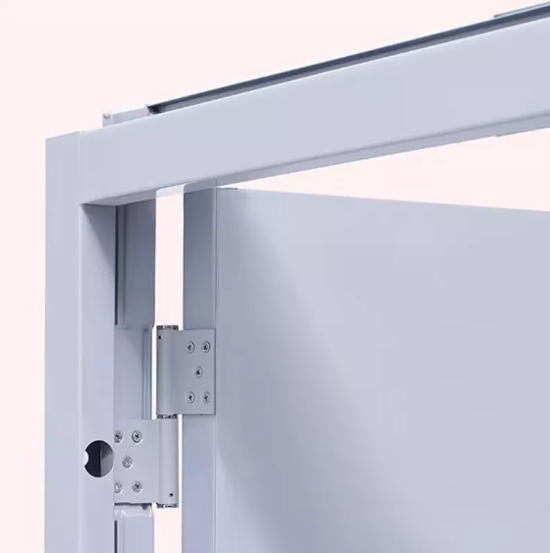
Adding non-fire-rated hardware to a fire-rated door can compromise its effectiveness. For example, replacing a self-closing device with one that is not fire-rated may prevent the door from closing correctly during a fire. This can render the door ineffective in containing the fire and smoke, which defeats the purpose of having a fire-rated door in the first place.
It is critical to use only fire-rated hardware in fire-rated door assemblies. This includes locks, hinges, handles, and any other components that may affect the door’s ability to function during a fire. Before making any modifications, ensure that the new hardware has been tested and certified for use with fire-rated doors.
| Modification | Impact on Fire Rating | Risk |
|---|---|---|
| Adding non-fire-rated hardware | Can invalidate the fire rating | Door may not function as intended during a fire |
| Replacing fire-rated glass with non-tested glass | Reduces fire resistance | Increases the spread of fire and smoke |
| Using non-tested door seals | Allows smoke and heat to pass through | Compromises door integrity during a fire |
| Removing fire-rated labels | Makes it difficult to verify fire rating | Non-compliant with building codes |
When replacing or modifying components of a fire-rated door, it is essential to ensure that the new parts meet the same fire safety standards as the original ones. For instance, replacing a fire-rated glass panel with a non-fire-rated one will compromise the door’s overall fire resistance. Similarly, using non-tested seals or gaskets can lead to gaps that allow the spread of smoke or fire.
Building codes require that fire-rated doors be installed in specific areas to meet safety standards. These doors are essential for limiting the spread of fire and smoke, especially in areas like firewalls, corridors, and stairwells. If a building fails to meet these code requirements, it may be subject to penalties or fines. Furthermore, in the event of a fire, inadequate fire protection can result in greater damage and potential loss of life.Fire-rated doors are a critical part of a building's overall fire safety plan. Ensuring they meet the necessary standards is essential for both legal compliance and the protection of building occupants.
Fire-rated doors require regular maintenance to ensure that they continue to meet safety standards. Over time, components such as seals, hardware, or glass can wear out, potentially compromising the door’s fire resistance. Periodically inspect the door for signs of wear and ensure that the fire-rated label remains intact and legible.
Fire-rated doors are essential for building safety, offering crucial protection from fire and smoke. They ensure safe evacuation and limit property damage during emergencies. Identifying and maintaining these doors is vital for compliance with building codes. Always check for the fire-rated label, ensuring all components meet necessary fire safety standards.
For high-quality fire-rated doors, Hele Doors provides durable and reliable solutions, offering advanced features to meet all safety requirements and enhance your building’s fire protection system.
A: A fire-rated door is designed to withstand heat, smoke, and flames for a specified time, providing protection during a fire.
A: Look for a fire rating label, typically on the hinge side, that includes the fire rating, testing agency, and manufacturer details.
A: Fire-rated doors are critical for safety, preventing fire and smoke from spreading, and ensuring safe evacuation during emergencies.
A: Modifying a fire-rated door with non-fire-rated components can compromise its effectiveness, so ensure all parts meet fire safety standards.
A: Inspect all areas of the door, including the hinge side, top, bottom, or frame, as labels may be hard to find on older installations.


