


Views: 0 Author: Site Editor Publish Time: 2025-11-09 Origin: Site


Have you ever considered the role of exterior doors in fire safety? While often overlooked, fire-rated exterior doors are essential in protecting lives and property.
In this article, we’ll explore the importance of fire-rated exterior doors, when they are required, and how they contribute to overall building safety. Understanding these factors will help you make informed decisions about fire protection for your home or business.
A fire-rated door is specifically designed to resist the spread of flames, smoke, and heat during a fire. These doors are made from materials that can withstand high temperatures, preventing the fire from spreading and allowing people more time to evacuate the building. They are typically constructed using steel, fiberglass, or fire-resistant wood, and are often equipped with intumescent seals that expand when exposed to heat. These seals enhance the fire-resistant properties by filling any gaps, preventing flames and smoke from passing through.
These doors are essential components of a fire-rated door assembly, which includes the door, frame, hardware, and any glass elements. It’s important to note that a fire-rated door alone does not make an entire opening fireproof—it must be part of a complete system to effectively contain the fire and limit its spread.
Fire ratings are measured in terms of time, indicating how long the door can withstand fire and heat before it starts to break down. The most common fire ratings for exterior doors are 20, 30, 45, 60, and 90 minutes. This means that the door is capable of withstanding the heat and flames for that amount of time without failing or allowing the fire to spread.
Several factors influence a door’s fire rating:
Material composition: Steel and fiberglass doors typically offer better fire resistance than wood, as they are less likely to combust.
Construction standards: Fire doors are tested under controlled conditions to measure their performance against intense heat and flames. These tests ensure that the door can withstand real-world fire conditions.
Door assembly: The combination of the door, frame, and hardware must all meet specific fire safety standards to retain their fire-resistance rating.
| Fire Rating Duration | Time (Minutes) | Typical Applications |
|---|---|---|
| 20 minutes | 20 | Low-risk areas like internal doors |
| 30 minutes | 30 | Residential areas, moderate-risk spaces |
| 45 minutes | 45 | High-risk commercial applications |
| 60 minutes | 60 | Commercial buildings, multi-story units |
| 90 minutes | 90 | High-risk facilities, storage rooms |
Exterior doors serve as the first line of defense against fire. If a fire starts in a garage or an adjacent building, a fire-rated exterior door can prevent the flames from spreading to other areas of the building. This is especially crucial in homes or businesses located in fire-prone regions, such as areas near wildfires, or industrial zones with a higher risk of fire incidents.
In addition to fire containment, fire-rated doors are integral to complying with building codes. These codes often mandate fire protection in areas such as garages, basements, or hallways that connect different structures. Depending on the local regulations, these doors provide essential protection, ensuring that the building remains compliant with national and local safety standards, and effectively containing fire for the required duration.
In many jurisdictions, building codes dictate the need for fire-rated exterior doors. These codes are designed to enhance safety by reducing the risks associated with fire hazards. Common regulations include:
National Fire Protection Association (NFPA) 80: This standard outlines the specific requirements for fire doors and their installation to ensure they function correctly in a fire emergency.
International Building Code (IBC): The IBC specifies where fire-rated doors are required, based on the building's usage, occupancy, and location. It also provides specific guidelines on the installation of these doors.
For example, if your property has a garage attached to the house, building codes may require a fire-rated door to separate the garage from living areas. Similarly, multi-story buildings or commercial properties with high occupancy may need fire-rated doors at various access points to ensure safe egress during a fire emergency. Installing fire-rated doors is often not optional, especially in areas designated as high-risk.
Not all exterior doors are required to be fire-rated, but there are key scenarios where fire-rated doors are necessary:
Garages connected to the home: Fire-rated doors are critical in these areas to prevent flames from entering the main house, especially in case of a fire originating in the garage.
Basements or utility rooms: Areas containing flammable materials or mechanical systems that could be hazardous in the event of a fire may require fire-rated doors to prevent fire from spreading.
Access between different structures: Doors separating different buildings or units, such as those in multi-family homes or between a building and an annex, may need fire protection to ensure fire containment.
In some cases, local building codes may specify that fire-rated doors are needed in additional locations, such as between certain rooms in a commercial building or on the exterior of a high-risk facility. If you're unsure whether a fire-rated door is required for your property, it's a good idea to consult with a local building authority or fire protection specialist to assess the specific needs of your property.
Failing to install fire-rated doors where required can lead to severe consequences:
Increased risk of fire spread: Without a fire-rated door, flames and smoke can easily spread from one room or building to another, significantly increasing the danger to occupants and property.
Legal and insurance implications: Non-compliance with building codes can result in fines or penalties. Additionally, your insurance coverage may be compromised if a fire-rated door was mandated but not installed, potentially leading to higher costs or denied claims.
Choosing not to install fire-rated doors in high-risk areas can undermine the overall safety of a building and put lives at risk. It's crucial to understand when and where fire-rated doors are necessary to prevent such outcomes.
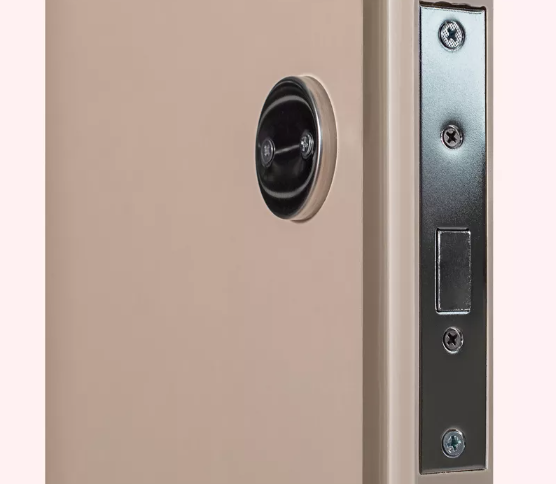
When choosing fire-rated exterior doors, it's essential to consider the material used for the door's construction. Each material has its advantages and limitations in terms of fire resistance:
Wooden doors: While wood is aesthetically pleasing and can provide a natural look, it is less fire-resistant than metal. However, fire-rated wood doors are available, treated with fire-resistant coatings or made from composite materials to improve their resistance.
Stainless steel doors: These doors are highly durable, resistant to fire, and provide excellent protection in commercial or residential settings. Steel doors are often the preferred choice in areas where maximum protection is needed, such as between garages and living spaces.
Cast aluminum doors: A lightweight alternative to steel, cast aluminum is durable and resistant to fire. Aluminum doors are particularly suitable for applications where a lower weight is required, but they still offer good fire protection. They are often used in residential and some commercial settings.
Each material offers different benefits in terms of aesthetics, durability, and fire resistance. It's important to balance these factors based on your specific needs, such as the level of fire protection required and the style of the building.
| Material | Fire Resistance | Common Use Cases | Pros | Cons |
|---|---|---|---|---|
| Wood | Moderate | Residential homes, offices | Aesthetic, customizable | Less fire-resistant than metal |
| Stainless Steel | High | Commercial and industrial applications | Highly durable, resistant to fire | Expensive, heavier |
| Cast Aluminum | Moderate | Residential, light commercial | Lightweight, corrosion-resistant | Lower fire-resistance than steel |
Selecting the right fire-rated exterior door depends on the type of building and its usage:
Residential buildings: Fire-rated doors are typically required in high-risk areas like garages and basements. For other parts of the house, a 20- to 30-minute fire rating is often sufficient, especially in single-family homes.
Commercial buildings: Higher fire ratings, such as 60 to 90 minutes, are usually needed for commercial structures with higher occupancy or those storing hazardous materials. In multi-story buildings or offices, fire-rated doors are essential for ensuring safe evacuation in case of a fire.
Consulting with fire safety experts and building code authorities can help determine the most suitable fire rating for your property, ensuring both compliance and safety.
Installing a fire-rated exterior door requires careful attention to detail. The installation process should ensure that the door, frame, and hardware work together as part of an effective fire protection system. The installation must comply with NFPA 80 standards and any relevant local building codes to function as intended during a fire emergency.
A licensed professional should handle the installation to ensure that all components are correctly aligned, sealed, and secure. If the installation is done incorrectly, the door may not perform as expected, potentially allowing fire and smoke to bypass the door, undermining the protection it provides.
Fire-rated doors require regular maintenance to ensure their effectiveness. Inspections should be conducted periodically to check for signs of wear and tear, such as damaged seals, hinges, or locks. Keeping the door clean and ensuring that it remains in good working order can significantly extend its lifespan and improve its fire-resistance performance.
For businesses, regular maintenance is essential to meet fire safety regulations and ensure that the building remains compliant with local codes. Preventive measures such as lubricating hinges, replacing worn-out seals, and testing the self-closing mechanism can keep the fire-rated door functioning as intended.
Fire-rated exterior doors offer unparalleled protection for homes and businesses. By preventing the spread of flames and smoke, these doors provide critical time for occupants to evacuate safely. They also protect property by containing fire damage to a specific area, preventing it from spreading throughout the building and causing further destruction.
With the additional fire-resistance layers offered by fire-rated doors, homeowners and business owners can ensure that their buildings are equipped to handle potential fire emergencies, safeguarding both people and property in the long run.
Investing in fire-rated doors can lead to cost savings in the long run. Insurance companies often offer lower premiums for buildings with fire-rated doors, as they reduce the potential for damage during a fire. Additionally, having fire-rated doors can help mitigate potential losses in the event of a fire, reducing the financial impact of property damage.
By reducing the spread of fire and smoke, these doors not only protect lives but also shield your investments from significant damage. In the event of a fire, the presence of fire-rated doors can make the difference between minor damage and catastrophic loss.
| Benefit | Description |
|---|---|
| Enhanced Safety | Prevents the spread of fire and smoke, providing more time to evacuate |
| Property Protection | Limits fire damage to specific areas, protecting assets |
| Insurance Savings | Lower premiums for properties with fire-rated doors |
| Legal Compliance | Ensures compliance with building codes and fire regulations |
Fire-rated exterior doors are vital for building safety. They offer protection against fire, ensuring compliance with safety regulations. By preventing fire spread, these doors provide security and reduce insurance costs.Choosing fire-rated doors is essential not only for meeting code requirements but also for proactive safety. Ensure your property is well-protected by consulting fire protection experts.
Hele Doors offers fire-rated doors that enhance safety while complying with local standards, giving you peace of mind and security for your property.
A: A fire-rated exterior door is designed to resist fire, smoke, and heat, offering protection for a set period, usually ranging from 20 to 90 minutes.
A: Yes, if your garage is connected to your home, building codes typically require a fire-rated door to prevent flames from spreading into the living areas.
A: Fire-rated doors provide safety by preventing fire spread, reduce damage to property, and can lower insurance premiums.
A: A fire-rated door can withstand heat for 20, 30, 45, 60, or 90 minutes, depending on its rating and the materials used.
A: Fire-rated exterior doors are necessary in high-risk areas like garages, utility rooms, or between separate structures. Check local building codes for specifics.


