


Views: 0 Author: Site Editor Publish Time: 2025-11-10 Origin: Site


Did you know that fire-rated doors can be the difference between life and death during a fire? Steel doors, in particular, are well-known for their durability and resistance to flames. But the question remains: Are steel doors fire-rated?
In this article, we will explore the key characteristics of fire-rated steel doors and why they are vital for building safety. You will learn about their fire resistance, testing standards, and why they are an essential investment for both residential and commercial properties.
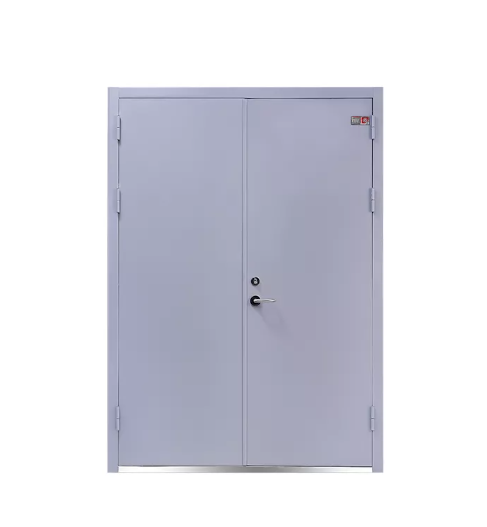
A fire-rated door is built using materials that can withstand heat, smoke, and flames for a specified amount of time, which is referred to as the door's fire rating. Fire-rated doors are typically tested to resist flames for durations ranging from 20 minutes to 180 minutes. These ratings are given based on how long the door can prevent flames from passing through and how much heat transfer it allows. In addition to their fire-resistant properties, fire-rated doors also help limit smoke infiltration, which is just as dangerous in a fire emergency.
Common materials used in fire-rated doors include steel, wood, fiberglass, and fire-rated glass. These materials, when combined with appropriate hardware and glazing, form fire door assemblies that ensure safety during a fire. The assembly must pass strict fire tests to guarantee that it can provide the necessary protection. Without such thorough testing, it would be impossible to know how the door would perform in an actual fire situation.
Fire-rated doors are classified by how long they can resist fire under controlled testing conditions. The fire rating is often measured in minutes or hours, with the most common ratings being 20, 45, 60, 90, and 180 minutes. These ratings indicate how long the door can prevent flames from passing through and how much heat it allows to transfer. The higher the rating, the longer the door can prevent the spread of flames, offering more time for evacuation and for the fire department to respond.
Testing standards for fire-rated doors are defined by organizations such as Underwriters Laboratories (UL) and the National Fire Protection Association (NFPA). Fire-rated doors undergo stringent testing to ensure they meet these standards, which include exposure to intense heat, flames, and sometimes water from a fire hose. This is crucial to ensure that the door can withstand the harsh conditions of a fire and perform as expected when needed most.
| Fire Rating (Minutes) | Description | Common Applications |
|---|---|---|
| 20 | Basic protection, resists heat and flames for up to 20 minutes. | Residential spaces, small storage areas. |
| 45 | Provides moderate protection. | Small commercial buildings, office spaces. |
| 60 | Stronger resistance to heat and flames. | Commercial buildings, kitchens, hallways. |
| 90 | Offers higher protection for large areas. | Large commercial buildings, stairwells. |
| 180 | Maximum protection, resists flames for extended time. | Critical areas like fire exits, high-risk zones. |
Steel is one of the most commonly used materials for fire-rated doors due to its inherent properties that make it resistant to fire. Steel doors are not only strong but also non-combustible, making them a safe and reliable choice for protecting both residential and commercial buildings. Unlike wood or other combustible materials, steel does not ignite or weaken when exposed to high heat.
Steel doors are particularly valued for their ability to maintain structural integrity during a fire. They do not warp, crack, or collapse, which helps keep escape routes clear and safe for occupants. This makes them ideal for areas that require high fire resistance, such as hallways, stairwells, and emergency exits. In fact, steel doors are often required in buildings where fire safety is a top priority due to their excellent fire resistance.
Steel fire-rated doors undergo rigorous testing to ensure their fire resistance. Testing agencies like UL and NFPA conduct tests to evaluate how long a door can withstand fire and smoke. The most common tests include:
Fire Endurance Test: Measures how long the door can withstand the flames and heat without compromising its integrity.
Hose Stream Test: Simulates the cooling process during a fire by spraying the door with high-pressure water to see if it can withstand the shock without failing.
Steel doors are typically tested according to UL 10B (neutral pressure) and UL 10C (positive pressure) standards. A fire rating will be assigned based on how long the door remains intact under these tests, with common ratings being 20, 45, and 90 minutes. A steel door that passes these tests is deemed to be highly reliable and able to perform under the most demanding fire conditions.
There are different types of steel fire doors, each designed for specific applications. Common types include:
Solid Core Steel Doors: These doors are made from solid steel and are known for their durability and high fire resistance. They are often used in areas where fire protection is crucial, such as stairwells and lobbies.
Honeycomb Core Steel Doors: Featuring a honeycomb structure inside the door, these offer a balance of weight and fire protection. They are lighter than solid core steel doors while still providing excellent fire resistance.
Insulated Steel Doors: These doors have insulating properties that help to contain heat and prevent the spread of flames, making them ideal for energy-efficient buildings. Insulated doors are especially useful in both commercial and residential settings where temperature control is also important.
These steel doors are tested and rated based on the fire endurance they can provide, ranging from 20 minutes to 90 minutes or longer, depending on the building code requirements. Choosing the right type of steel fire door depends on the specific application and the level of fire protection needed.
| Type of Steel Door | Core Structure | Fire Rating (Minutes) | Ideal Use Case |
|---|---|---|---|
| Solid Core Steel Door | Solid steel construction | 20–90 min | High-risk commercial areas, stairwells. |
| Honeycomb Core Steel Door | Honeycomb-shaped interior core | 20–90 min | Lightweight commercial spaces, lobbies. |
| Insulated Steel Door | Insulated foam or fiberglass core | 20–90 min | Energy-efficient buildings, industrial settings. |
Wooden doors are often used in residential settings for aesthetic reasons, but they generally offer lower fire resistance compared to steel. While fire-rated wood doors can be treated with fire-retardant coatings, they are still more likely to catch fire and allow smoke to pass through, compromising safety. Steel doors, on the other hand, provide superior resistance to both fire and smoke, ensuring better protection in the event of a fire.
Wooden doors may also have a lower fire rating than steel doors, which means they are less effective at containing fire for extended periods. In contrast, steel doors provide longer protection and are able to withstand the intense heat of a fire, helping to prevent the spread of flames and smoke.
Fiberglass doors are another popular choice for fire-rated doors, as they are resistant to heat and provide a lightweight alternative to steel. However, steel doors are generally more durable and reliable under extreme fire conditions. While fiberglass doors may have a fire rating similar to that of steel, they are more prone to damage from impact or heat exposure over time. Steel doors, being more durable, can maintain their integrity for a longer period, making them a better option in areas where fire protection is a top priority.
Glass doors, especially fire-rated glass doors, offer excellent visibility and are often used in commercial settings like offices or storefronts. However, fire-rated glass doors are typically limited to lower fire ratings (20 to 60 minutes). Steel doors provide superior fire resistance and are often used alongside glass doors in applications where higher fire ratings are required. For instance, in a commercial building where fire-rated doors are required for safety, steel doors may be used in conjunction with fire-rated glass doors to provide both safety and transparency.
| Material | Fire Resistance | Durability | Cost | Ideal Use Case |
|---|---|---|---|---|
| Steel | High (20–90 min) | Very durable, non-combustible | High | Commercial and residential areas requiring high protection. |
| Wood | Moderate (20–60 min) | Moderate, can warp under heat | Low–Medium | Residential areas, aesthetic focus, less critical areas. |
| Fiberglass | Moderate (20–60 min) | Moderate, may crack under extreme heat | Medium | Residential, areas where lightweight is needed. |
| Glass | Low (20–60 min) | Fragile, limited by fire rating | High | Commercial spaces where visibility is a priority but with lower fire resistance. |
Steel fire doors are commonly found in commercial buildings, such as office buildings, warehouses, and shopping malls. These doors are essential for providing a barrier against the spread of fire, ensuring that people can safely evacuate in an emergency. Fire-rated steel doors are often installed in hallways, stairwells, and exits to meet building code requirements. They are also used in areas where fire safety is critical, such as near electrical rooms or storage areas that contain flammable materials.
While fire-rated steel doors are more commonly used in commercial settings, they are also essential in residential properties, particularly in garages or between living spaces and attached garages. Steel fire doors help prevent fires from spreading from the garage, where flammable materials are often stored, to the rest of the home. Installing fire-rated steel doors in these areas enhances the overall safety of the home, ensuring that residents have more time to escape in case of a fire. Steel doors also provide the added benefit of noise reduction and improved security.
Many building codes, including those set by NFPA and local authorities, require fire-rated doors to be installed in specific areas of both residential and commercial properties. This includes areas that serve as fire barriers, such as between the garage and living spaces, or in fire-rated corridors and stairwells. The fire rating required for each door depends on its location and the type of occupancy. For example, commercial buildings may need doors with higher fire ratings than residential properties, as they often house more people and require more stringent safety measures.
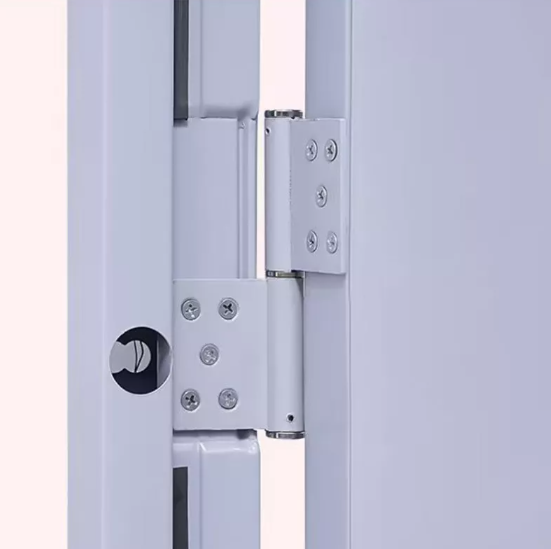
The primary benefit of fire-rated steel doors is their ability to slow or stop the spread of fire, smoke, and heat. In a fire, every minute counts. Fire-rated steel doors can buy valuable time for occupants to evacuate, while also preventing the fire from spreading to other areas of the building. The increased fire resistance provided by steel doors can mean the difference between life and death in a fire emergency.
Steel doors are highly durable and can withstand extreme conditions. Unlike wood or fiberglass doors, steel doors are less likely to warp or fail under high heat. This makes them a long-lasting investment that provides continuous fire protection for years. Steel is also resistant to dents and scratches, ensuring that the door maintains its protective qualities even after years of use.
Although the initial cost of installing a fire-rated steel door can be higher than that of other materials, the long-term savings in terms of safety and property protection outweigh the initial investment. Steel doors also tend to require less maintenance compared to wood or fiberglass doors, making them a more cost-effective choice in the long run. Additionally, the added protection against fire and smoke can potentially reduce insurance premiums, further enhancing the cost-effectiveness of steel doors.
When selecting a fire-rated steel door, it’s essential to consider the fire rating required by local building codes. The fire rating will depend on the location of the door, the type of building, and the specific fire safety requirements. Consult a professional to ensure the door meets the necessary fire rating. For instance, doors in high-risk areas such as kitchens or mechanical rooms may require higher ratings than those in less critical areas.
Fire-rated steel doors can be customized with features such as insulation, glazing, and specialized hardware to meet specific needs. For example, a fire-rated steel door in a commercial building may require additional glazing for visibility or acoustic insulation to reduce noise levels. Customizing the door allows for flexibility in design while still maintaining the necessary fire protection standards.
To ensure that a fire-rated steel door continues to provide protection over time, regular maintenance is necessary. This includes checking for any signs of wear and tear, ensuring that seals and hardware are in good condition, and making sure the door closes properly to prevent smoke from passing through. Regular inspections can also identify any potential issues before they compromise the door’s effectiveness in a fire emergency.
Choosing the right fire-rated steel door is essential for ensuring safety. Steel doors offer superior fire resistance, durability, and long-term value. They are ideal for both residential and commercial applications. By understanding fire ratings and testing standards, you can ensure that your doors meet safety requirements and provide effective fire protection. Installing fire-rated steel doors is an investment in fire safety and peace of mind.
For top-quality fire-rated steel doors, Hele Doors offers reliable products that combine safety and durability. Their doors are designed to deliver lasting protection and enhanced security for any building.
A: Yes, steel doors can be fire-rated, providing protection for specified durations based on their fire rating. A fire-rated steel door helps prevent the spread of flames, smoke, and heat.
A: Fire-rated steel doors are tested to withstand fire for varying times, typically ranging from 20 minutes to 180 minutes, depending on the rating.
A: Steel fire doors offer superior fire resistance, durability, and non-combustibility, making them ideal for both residential and commercial buildings.
A: Steel fire doors provide higher resistance to fire, heat, and smoke, making them more reliable than wooden fire doors, which are less durable under extreme conditions.
A: Fire-rated steel doors can have a higher initial cost, but their durability and enhanced fire protection offer long-term value and savings on repairs and insurance.


