


Views: 0 Author: Site Editor Publish Time: 2025-11-21 Origin: Site


Operational interruptions caused by a failing commercial door can be more costly than many facility managers anticipate. Beyond the immediate inconvenience, a malfunctioning door can halt workflow, reduce safety, and even impact revenue. In high-traffic commercial or industrial settings, even a short period of downtime can disrupt schedules, delay deliveries, or compromise security. Understanding the signs that a commercial door is approaching the end of its functional life is critical for proactive maintenance and timely replacement. Hele Doors, a leading supplier with decades of experience and extensive production capabilities, provides a wide range of high-quality doors designed to meet the rigorous demands of commercial, industrial, and institutional settings. With its strong focus on reliability and durability, Hele Doors helps businesses prevent unexpected interruptions and ensure continuous operation. This article explores the key indicators, regulatory triggers, maintenance considerations, and planning strategies to ensure your operations remain uninterrupted.
Identifying early warning signs of a commercial door nearing failure allows facility managers to schedule replacements before unexpected downtime occurs. Paying attention to both visible wear and functional decline ensures that doors continue to operate efficiently and safely. Regular monitoring and preventive maintenance can greatly extend a door’s lifespan while avoiding costly emergency repairs.
One of the earliest indicators that a commercial door may need replacement is repeated hardware failure. Hinges that squeak, loosen, or crack, door closers that fail to regulate motion properly, and tracks that become misaligned are all warning signs. While individual hardware components can sometimes be repaired, recurrent issues often indicate underlying structural fatigue. Ignoring these signals can result in doors failing during peak operational hours, creating safety hazards and workflow interruptions. Preventive inspections and timely replacement of worn-out parts can reduce long-term costs and extend door life, but at a certain point, full replacement becomes more economical and safer.
Regular inspections by trained maintenance personnel can help identify these failures early. For commercial doors in high-traffic areas, such as warehouses, hospital entrances, or shopping centers, hardware degradation is often accelerated, making timely replacement more critical.
Environmental factors such as humidity, temperature fluctuations, and chemical exposure can compromise the structural integrity of a commercial door. Warping, rust, and corrosion not only affect aesthetics but also compromise performance. Worn-out seals can lead to drafts, energy loss, and contamination in controlled environments, such as cold storage or laboratories. These issues often worsen over time, reducing efficiency and increasing energy consumption.
Hele Doors offers products with advanced corrosion-resistant coatings, durable materials, and high-quality seals designed for commercial environments, ensuring longevity even in challenging conditions. Choosing doors made with reinforced materials and premium finishes can help avoid frequent repairs and reduce maintenance costs.
When a commercial door begins to operate slowly, moves unevenly, or triggers safety sensors erratically, it is a clear indication that it may be reaching the end of its lifespan. Such performance issues not only impede efficiency but also present safety risks. Automated doors with faulty sensors can cause accidents or fail to meet accessibility requirements, emphasizing the need for timely replacement. Routine functionality tests, combined with professional assessments, can help predict when replacement will be necessary and prevent sudden operational failures.
Sometimes, the replacement of a commercial door is not optional but mandated by safety regulations or building codes. Being aware of these triggers helps organizations avoid fines, ensure compliance, and protect occupants. Delaying replacement in such cases can lead to regulatory penalties and serious liability concerns.
Commercial doors, particularly fire-rated models, are critical components of a building’s life safety systems. Doors that fail fire-rating inspections, exhibit smoke leakage, or have damaged fire seals must be replaced immediately. A compromised fire door can endanger occupants and lead to severe regulatory consequences. Regular fire door testing and maintenance are essential to ensure compliance and prevent costly violations.
Hele Doors provides fire-rated commercial doors tested to international safety standards, offering facility managers confidence in compliance and performance. By selecting doors designed for durability and safety, businesses can mitigate risk and ensure long-term operational continuity.
Doors in commercial environments must often comply with accessibility standards, such as the Americans with Disabilities Act (ADA). Doors that become difficult to operate, require excessive force, or do not allow unobstructed emergency egress are liabilities. Replacing these doors with models designed for accessibility ensures both safety and operational compliance. Additionally, accessible doors improve the experience for employees, visitors, and customers, enhancing overall facility usability.
Determining whether to maintain or replace a commercial door requires careful consideration of repair potential versus systemic failure. A structured decision-making framework can guide facility managers in prioritizing resources efficiently. Proactive planning reduces emergency replacements and helps allocate maintenance budgets more effectively.
Minor issues such as squeaky hinges, loose hardware, or superficial scratches are typically repairable without full replacement. However, systemic failures—like repeated component breakdowns, warped frames, or extensive corrosion—often justify replacing the door entirely. Evaluating whether ongoing maintenance costs exceed replacement costs is essential for long-term operational efficiency. A door nearing the end of its life may appear functional but could fail under heavy use, disrupting business operations unexpectedly.
Age is another important factor. While steel doors may last 20–30 years under proper maintenance, wooden doors may require replacement after 10–15 years, especially in high-traffic or humid environments. Aluminum and composite materials may have varied lifespans, with wear and environmental exposure influencing the optimal replacement schedule. Tracking door age alongside maintenance records helps predict replacement needs accurately.
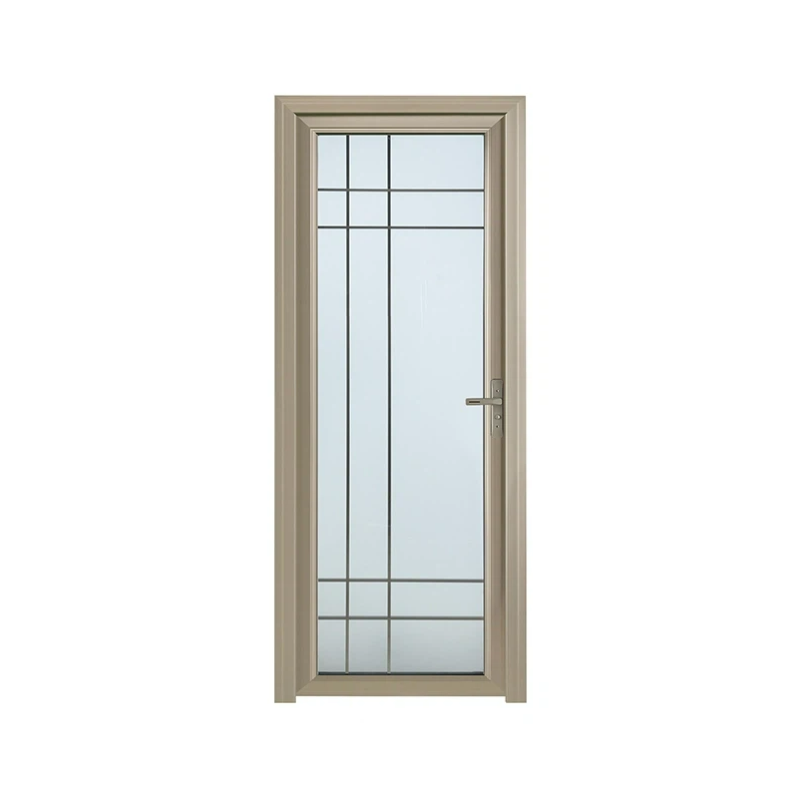
Replacing a commercial door need not disrupt operations. Proper planning and phased installation can ensure continuity while upgrading to safer, more efficient doors. Combining operational scheduling with professional installation ensures a smooth transition.
For facilities operating around the clock, scheduling replacements during off-peak hours or in phases can reduce disruption. Hele Doors supports tailored installation schedules, ensuring that each door replacement aligns with operational priorities and minimizes downtime. Planning for multiple doors simultaneously, especially in large warehouses or hospitals, allows for coordinated upgrades without affecting workflow.
In some cases, temporary barriers, modular door systems, or rolling shutters can maintain security and workflow during replacements. These measures, combined with a clear replacement schedule, allow businesses to continue operations while improving their infrastructure. Temporary solutions ensure employee safety and prevent access issues during installation periods.
Selecting the right commercial door for replacement is critical for minimizing future downtime and maintenance challenges. Considering material, hardware quality, and design specifications upfront reduces long-term costs and improves operational reliability.
Investing in doors made from high-grade steel, aluminum, or reinforced composites can significantly extend service life. Additionally, selecting heavy-duty hardware—such as industrial-grade hinges, closers, and tracks—ensures doors withstand high traffic and environmental stress. Incorporating reinforced frames and advanced finishes also reduces wear and tear, limiting the need for future interventions.
Hele Doors not only provides durable products but also supports long-term maintenance solutions. Availability of spare parts, service contracts, and fast response times are essential for minimizing unexpected downtime. Facility managers should prioritize doors that are backed by responsive service networks, ensuring that any operational interruptions are resolved promptly.
When replacing commercial doors, vendor reliability and warranty coverage play a key role in maintaining continuous operations. Understanding service offerings upfront prevents future surprises and improves facility management confidence.
Comprehensive warranties and accessible support reduce operational risk. Vendors offering quick delivery of spare parts and onsite technical support ensure that any issues can be resolved promptly, preventing extended downtime. Hele Doors provides extensive warranties and dedicated support services for its commercial door lines, making it a trusted partner for facility managers.
Service-level agreements (SLAs) outlining response times, maintenance visits, and parts replacement schedules give facility managers peace of mind. Choosing doors with clearly defined SLAs ensures predictable performance and minimizes operational disruption, protecting the facility’s daily operations.
Proactively managing commercial door replacement and maintenance is essential to avoid costly downtime and maintain safe, efficient operations. Hele Doors, with its extensive experience, diversified product lines, and commitment to high-quality manufacturing, provides reliable solutions for all commercial and industrial environments. Regular inspections, timely replacements, and careful planning not only extend the service life of doors but also enhance overall facility safety and operational continuity. Protect your business from unexpected interruptions and ensure smooth operations by taking advantage of Hele Doors’ expertise and high-performance commercial doors. For more information or to schedule an evaluation, contact us to discuss your commercial door needs and replacement options.
Q1: How often should commercial doors be inspected for wear and tear?
A1: Regular inspections every 6–12 months are recommended, with more frequent checks in high-traffic areas to identify hardware wear, alignment issues, and sensor malfunctions early.
Q2: What are the common signs that a door should be replaced rather than repaired?
A2: Frequent hardware failures, structural warping, corrosion, compromised seals, slow or jerky operation, and repeated safety sensor issues are strong indicators that replacement is necessary.
Q3: How do safety codes affect commercial door replacement schedules?
A3: Doors failing fire-rating inspections, accessibility standards, or emergency egress requirements must be replaced immediately to ensure compliance and occupant safety.
Q4: Can phased replacement reduce operational downtime?
A4: Yes. Replacing doors during off-peak hours or in stages allows businesses to maintain workflow while upgrading infrastructure, minimizing disruptions and maintaining safety.


